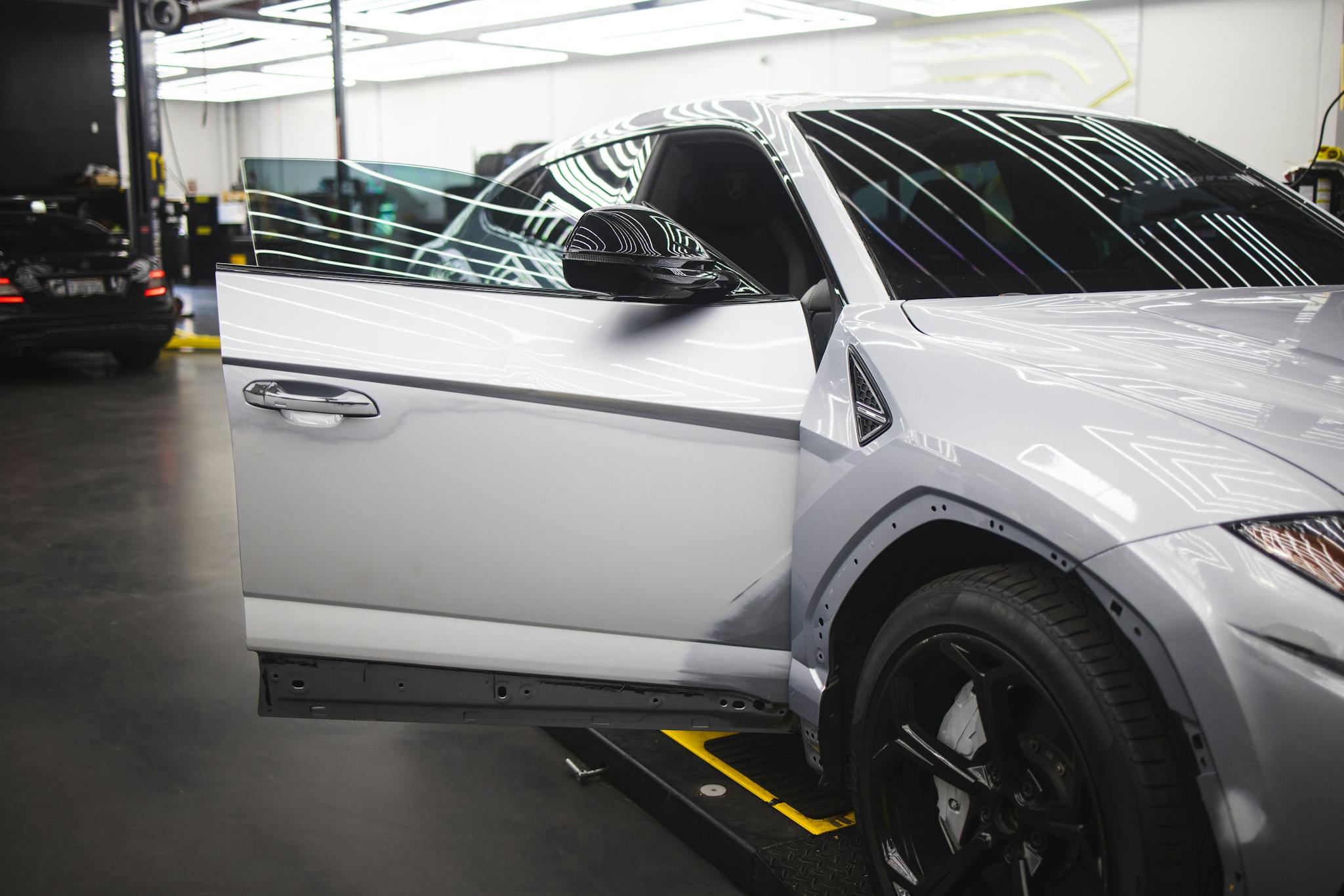
Auto body panel repair involves several fundamental steps
A basic outline of the process:
- Assessment and Planning:
- Damage Assessment: Evaluate the extent of damage to the panel. This includes determining whether the damage is structural (affecting the frame) or cosmetic (affecting only the panel).
- Planning: Decide on the repair approach based on the type and severity of damage. Consider factors such as cost-effectiveness, time required, and the potential for a complete restoration.
- Preparation:
- Cleaning: Thoroughly clean the damaged area to remove dirt, grime, and any loose paint or rust.
- Sanding: Use sandpaper or a sanding tool to smooth the damaged area and create a suitable surface for repair materials.
- Repair:
- Panel Straightening: If the panel is dented or warped, it may need to be straightened using specialized tools like hammers, dollies, or a hydraulic ram. Careful manipulation ensures the panel aligns properly with the rest of the vehicle.
- Filling: Apply body filler (typically a polyester-based material) to repair deeper dents or imperfections. The filler is applied, shaped, and sanded smooth to match the contour of the panel.
- Replacement: In cases of severe damage, the panel may need to be entirely replaced rather than repaired. This involves carefully removing the damaged panel and welding or bonding a new one in its place.
- Priming and Painting:
- Priming: Apply primer to the repaired area to promote adhesion of the paint and prevent corrosion.
- Painting: Match the vehicle’s original paint color and apply it evenly to the repaired area. This often involves blending the new paint with the existing paint to achieve a seamless finish.
- Finishing:
- Clear Coat: Apply a clear coat over the paint to protect it and give it a glossy finish.
- Polishing and Buffing: Once the paint is dry, polish and buff the repaired area to blend it with the surrounding panels and achieve a smooth, shiny surface.
- Quality Check:
- Inspect the repaired area to ensure it meets quality standards and matches the rest of the vehicle in terms of finish and alignment.
- Final Steps:
- Reassemble any parts that were removed during the repair process, such as trim pieces or lights.
- Clean the vehicle to remove any dust or debris from the repair process.
Throughout the entire process, it’s crucial to follow safety practices, use appropriate tools and materials, and adhere to manufacturer specifications and repair techniques to ensure a safe and effective repair. Professional auto body shops often employ skilled technicians trained in these techniques to ensure high-quality repairs.