Achieving the perfect auto body polish
A step-by-step guide to help you achieve a flawless finish
Achieving the perfect auto body polish requires attention to detail and the use of proper techniques and materials. Here’s a step-by-step guide to help you achieve a flawless finish:
1. Preparation:
- Clean the Surface: Ensure the vehicle surface is clean and free of dirt, dust, and contaminants. Wash the car thoroughly with car wash soap and water, and then dry it completely.
2. Inspect for Imperfections:
- Evaluate the Paint: Check the paint surface for swirl marks, scratches, oxidation, or any other imperfections that may affect the final polish.
3. Gather Materials:
- Polishing Compound: Choose a suitable polishing compound based on the severity of imperfections. Compounds range from heavy-cut to light-cut, depending on whether you need to remove scratches or just polish the surface.
- Polishing Pads: Use appropriate foam or microfiber polishing pads. Typically, a cutting pad for heavier compounds and a finishing pad for lighter compounds are used.
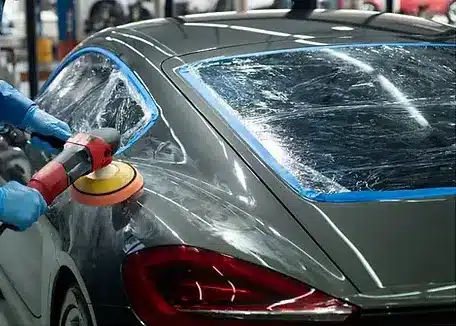
- Polisher: A dual-action polisher or a rotary polisher can be used. Dual-action polishers are safer for beginners as they reduce the risk of paint damage.
- Microfiber Towels: Have plenty of clean microfiber towels on hand for wiping off polish residue.
4. Application:
- Apply Polishing Compound: Apply a small amount of polishing compound to the polishing pad. Spread the compound evenly on a small section of the vehicle’s surface (about 2’x2′ area).
5. Polishing Process:
- Polish with Dual-Action Polisher: If using a dual-action polisher, set it to a low speed initially. Move the polisher in overlapping passes, applying moderate pressure. Allow the machine to do the work and avoid pressing too hard.
- Rotary Polisher (Advanced Users): If using a rotary polisher, use a lower speed setting to avoid overheating the paint. Keep the polisher moving to prevent burning through the clear coat.
- Work in Sections: Work on one section at a time, ensuring even coverage and thorough polishing. Check your progress periodically to see if the imperfections are being removed.
6. Wipe Off Residue:
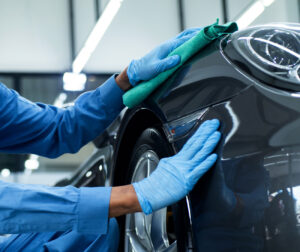
- Buff Off: After polishing each section, use a clean microfiber towel to wipe off the residue. Inspect the section for any remaining imperfections.
7. Final Steps:
- Inspect and Touch Up: Inspect the entire vehicle under different lighting conditions to ensure uniform polishing. Touch up any missed spots or imperfections.
- Apply Sealant or Wax: Once satisfied with the polish, apply a layer of carnauba wax or sealant to protect the paint and enhance the shine.
Tips for a Perfect Finish:
- Work Methodically: Divide the car into sections and work on one at a time to maintain control and ensure thorough polishing.
- Use Proper Pressure: Apply enough pressure to engage the polishing compound with the surface, but avoid pressing too hard to prevent damage.
- Change Pads if Needed: If the polishing pad becomes saturated with polish residue, switch to a clean pad to maintain effectiveness.
- Regular Maintenance: Keep your car regularly washed and waxed to preserve the polished finish and protect the paint.
By following these steps and using quality products, you can achieve a professional-grade auto body polish that enhances the appearance of your vehicle and protects its paint for the long term.